 I flew down to San Diego last night to participate in the Statewide Information Communication Technologies (ICT) Industry Advisory Committee. It helped me to remember how important ICT education is. We had a great group of folks at the meeting, with a lot of passion and experience in supporting the students of California to becoming our next generation of “computer nerds”.
But it also brought back to me, about how our education system isn’t keeping up and changing for the needs of our next generation. Technology is our future, and of any industry sector (other than potentially energy), it is the use or abuse of technology will make the biggest difference to the future of human kind. And educational content standards, and the related curriculum, can either be what will give our students the knowledge that will be needed when they graduate; or force irrelevant content on them, leading to more disillusion with our education system; and at the same time lead to more unemployment.

 Recently, the Economist had an excellent article about the importance of reproducibility in science, and a new academic journal dedicated to reproducing medical studies. I believe that reproducibility is critical, and that our institutions of higher education could support this, as I wrote in the following
  In technology, backward compatibility is a common issue. Some software companies like Microsoft have tried to keep most of what they created being backward compatible, so that files created in older versions will still work on newer versions. Even if this causes contortions to arise to be able to do new features, and makes the software less “elegant” and simple.
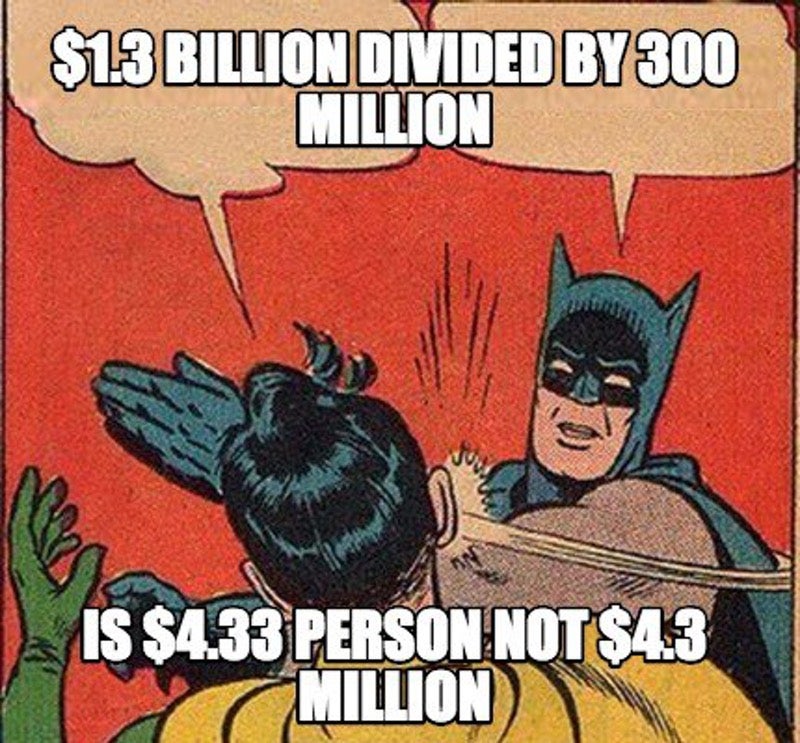 With the hype about Powerball, I am reminded of a quote, that
 As part of my data science self-study, I was reading
  The news talks all the time about our national problem of student debt, and the problems with the cost of colleges. To solve this, there is a need for a simple measurement that is “objective” (or at least properly contextualized) that can be used determine whether a college (or program within a college) is likely a worthwhile economic investment.
 Multiple Choice questions are common because they are easy to grade. And while assessment theory has a lot to say about making tests that are
  I was watching an interview of