
I have started to read the book Probability Theory: The Logic of Science, by the late E. T. Jaynes. From what I understand so far, I think there is a high plausibility that it will help me have a more unified and deeper understanding of probability (and hence statistics). In reading the preface, he makes some interesting observations about probability and human thinking, and it seems quite apropos, and relevant to the recent advances in the fields of artificial intelligence, such as the recent match of Go.
A quote from the book that particularly struck me was the following:
… it is clear that probability theory is telling us something about the way our own minds operate when we form intuitive judgments, of which we may not have been consciously aware. Some may feel uncomfortable at these revelations; others may see in them useful tools for psychological, sociological, or legal research.
 Yesterday, I saw a demo of the
  Recently, the Economist had an excellent article about the importance of reproducibility in science, and a new academic journal dedicated to reproducing medical studies. I believe that reproducibility is critical, and that our institutions of higher education could support this, as I wrote in the following
  Yesterday, I posted about the concept of Virtual Onshoring, and how I believe that a university from a developing nation could use this concept to serve the U.S. market, which could lead to significant economic gains for the developing nation. But how can they do this, and what is stopping them right now? The following is a summary of what I see would be necessary to succeed.
 A few weeks back, The Economist had an excellent article talking about students going to college in other countries, and it surprised me that they didn’t talk about the idea of virtual onshoring (which I will be posting a series of articles about starting tomorrow. Here are the
  In technology, backward compatibility is a common issue. Some software companies like Microsoft have tried to keep most of what they created being backward compatible, so that files created in older versions will still work on newer versions. Even if this causes contortions to arise to be able to do new features, and makes the software less “elegant” and simple.
 I wrote recently about my thoughts on whether
 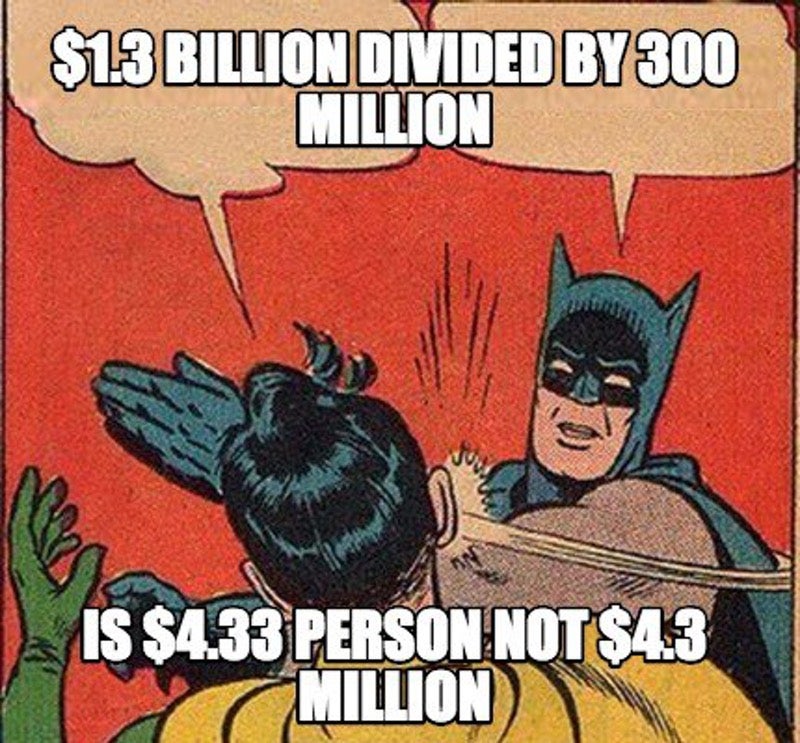 With the hype about Powerball, I am reminded of a quote, that